





Security Screening Extra Chilli Airport Procedure in the United Kingdom
For any air traveler, dealing with airport security is a standard part of the trip. The expression “Security Checkpoint slot extra chilli welcome bonus Airport Procedure in UK” combines this everyday travel step with the glitzy fun of an online slot game called Extra Chilli. This article looks at that odd pairing. It walks through how UK airport security actually works, then ties it back to the slot game’s features in a whimsical way. It is aimed at travelers who want the details, and perhaps for gamers who recognize a familiar pattern.
Putting It Together: Video Game Comparisons for Travel
Video game lingo provides us with a different way to consider airport security. Imagine the checkpoint as a reward round in your travel adventure. Organizing your liquids bag and removing your laptop is like setting up your symbols for a combo. The main security scan is the expected base game many travelers play. A secondary check is that “Extra Chilli” re-spin, an surprise twist that, if you handle it right, just ends with you receiving the all-clear.
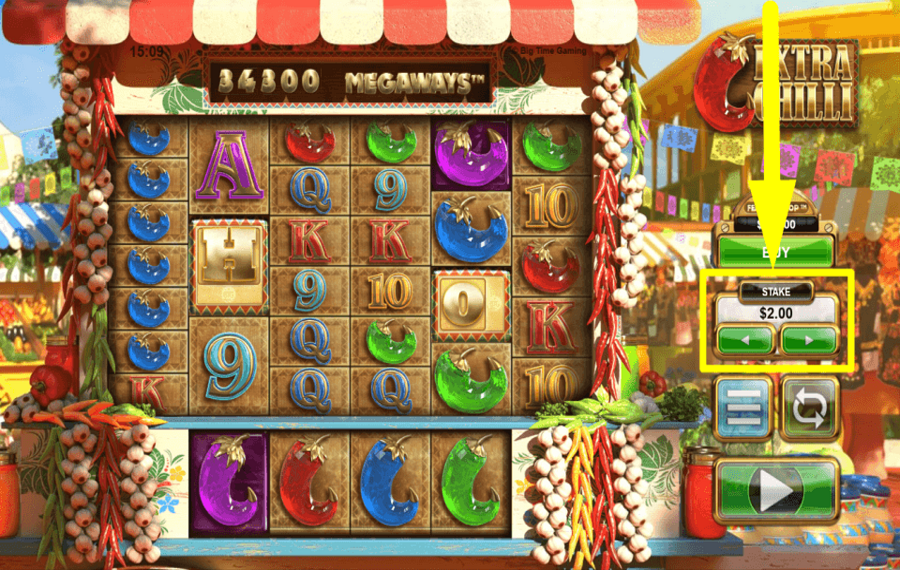
In the Extra Chilli slot, the Chili Pepper symbol is the wild. It spreads and starts re-spins with multipliers. A ready passenger can “trigger” a quicker, smoother experience. An odd item in your bag functions as the initial trigger for a extended sequence (the re-spin), but your cooperation works like a multiplier, accelerating the solution. This way of looking at it turns a tense process into a tactical challenge where preparation and patience yield results.
The “Multiplier” Impact of Good Preparation
Solid preparation has a chain reaction, similar to a multiplier in a game. Putting on slip-on shoes and keeping chunky jewelry at home gets you through the scanner faster. Having your liquids bag and laptop at the very top of your bag means you won’t be that person unpacking everything onto the belt. This benefits not only you. It eases the pressure on the queue behind you and makes the environment less stressful for the staff.
Passenger Rights and Obligations
Security teams hold wide authority, but passengers have privileges also. You possess the option to be screened by a same-gender screener. You are allowed to ask for a confidential search. Additionally, you may ask the reason you were chosen for extra screening, though the explanation might be vague for protection purposes.
Your primary role is to follow the legal instructions from the security personnel. This requires showing your things for inspection and responding to simple travel questions. Should you refuse, you can be stopped from flying. Being prepared, patient, and respectful isn’t just your duty, it ensures the experience more pleasant for yourself, the personnel, and the passengers in line behind you.
Dealing with Hold-ups and Additional Screening
If you’re chosen for a hand search, attempt to stay relaxed and carry out what you’re told. The officers are qualified to perform their job promptly and courteously. Feel free to ask them to describe what they’re performing as they proceed. For bag checks, you might be required to open locks or closed pockets. If you use a TSA-approved lock, they can access it without breaking it. In case a security delay results in you missing your departure, you should speak with your airline about your alternatives.
Conclusion: A Well-Rounded Journey
Navigating the “Security Checkpoint Extra Chilli Slot Airport Procedure in UK” hinges on knowing a system designed for safety. Learn the rules, pack smart, and remain cooperative. Taking that approach turns a potential headache into a straightforward step. The occasional “extra chilli” moment, like an further inspection, is just part of traveling today.
You can view it as strict protocol or through the fun lens of a slot game. Regardless, the result is a secure airport that allows people to travel with confidence. View preparation as your strategy and patience as your guide. This way, you’re ready for the normal routine and any surprise bonus rounds the airport throws your way.
Procedural Deep Dive: From Queue to Passing
Let’s examine the procedure step by step. It assists to know what’s coming. The area is typically bustling, but signs and staff instructions will guide you. Stay alert and be ready when it’s your turn. Passengers who prepared for security when they packed their bag make the whole line move faster for everyone else.
Liquid Items, Gels, and Aerosols (LAGs) Rules
The liquids rule is a notable part of UK airport security. Every liquid, gel, cream, or paste must be in a container containing 100ml or less. All these small containers have to fit inside a single, clear, resealable plastic bag. The bag can’t be bigger than 20cm by 20cm, which is about a one-litre capacity. You must take this sealed bag out of your luggage and place it in a tray.
There are exceptions for medicines, baby food, and special dietary items, but you must notify security about them before you go through the scanner. Many UK airports are installing new CT scanners. Once they’re everywhere, the 100ml limit might be scrapped. But until that day comes, assume the old rules are in full force. Guessing wrong means you could have confiscated your items and hold up the line.
Equipment and Equipment in Use
UK airports use some smart tech. Standard X-rays look at bags, but newer CT scanners create a 3D image so officers can examine a bag from all angles on a screen. Walk-through metal detectors are normal, but the millimetre-wave body scanners are becoming more common. Explosive trace detection (ETD) is another tool. Officers might swab your hands, bag, or laptop to test for chemical residues. It takes seconds and isn’t invasive. Using all these methods together means if one layer misses something, another might catch it.
Upcoming Developments in Airport Protection
Airport security is trending toward being less of a hassle. Biometric technology, like facial recognition, are already used for passport control and boarding gates. In the near future they might enable you to walk through security without displaying a boarding pass, as your face confirms your identity and ticket all at once. Those new cabin baggage scanners that do away with the liquids rule are the next big transformation for UK flyers.
We may also observe more risk-based checking. Trusted traveler programs could offer pre-vetted passengers access to faster lanes. Artificial intelligence is being evaluated to help interpret X-ray images, which could improve threat detection. The goal stays the same: keep everyone safe without slowing down millions of legitimate passengers. The vision is security that feels efficient, not intrusive.
Biometric technology and Passenger Movement
Biometric systems uses your physical features, like your face or your eyes, to validate who you are. At security, this could mean going through a checkpoint without ever taking out your phone or passport. Your face does the talking. This “frictionless” idea is designed to cut down on delays. Of course, it brings up big questions about data privacy and consent, which regulators are currently navigating.
The “Extra Chilli” Concept: Spicing Up the Routine
“Extra Chilli” implies a kick of spiciness and surprise. At an airport, it’s a metaphor for those random moments that introduce a variation to the standard routine. Maybe you get picked for a random extra check. Perhaps you brought a peculiar souvenir that needs a second look. Or elevated security alerts result in everyone gets a more detailed going-over.
View it like the Extra Chilli slot game. The game includes expanding wilds and multiplier re-spins that can boost your payout. In the same way, these “extra chilli” security steps, while they may hold you up, are there to strengthen safety. That’s the true prize. If you regard them as part of the required system, they seem less like a personal annoyance and more like a normal part of a safe trip.
When Standard Procedure Is Enhanced
A few things could lead to an enhanced screening. Random selection is the most common. Packing something out of the ordinary, even if it’s acceptable, will commonly lead to a manual inspection. Sometimes intelligence reports lead to temporary changes, making checks stricter on specific routes.
Your own behaviour can factor in too. If you seem excessively anxious, if your documents are inconsistent, or if you changed your plans at the last minute, you may receive a few extra questions. It’s not targeted, it’s just the procedure. Keeping calm, polite, and cooperative is still the speediest way to navigate any extra checks and be on your way.
Navigating Airport Security Checkpoints across the UK
Security checkpoints at UK airports run on strict rules set by the government and global bodies. The Department for Transport establishes the policy, and airport staff implement it. Their job is to stop anything dangerous from getting on a plane. The core process is the same everywhere, but you might notice differences in speed or the type of scanners used between a big hub like Heathrow and a smaller regional airport.
It always comes down to three parts: getting ready, screening you, and screening your bags. Technology keeps advancing. Newer scanners are now in many airports, allowing you keep liquids and laptops inside your bag. Getting a handle on what to expect removes the uncertainty. That makes the whole thing less anxiety-inducing and gets you to your gate with less hassle.
Key Stages of the Security Screening Process
The security check is a series of stages, each with a clear job. It starts the second you join the line. The system is built to move lots of people through without sacrificing safety. How smoothly it goes relies heavily on passengers cooperating and following instructions.
Checking Documents and Boarding Passes
First, you’ll be required to show your boarding pass. Sometimes they require photo ID too. This quick check makes sure you’re in the right place and have permission to go through to the gates. The staff here will often prompt you about getting your liquids and electronics ready before you reach the scanners.
Removing Items and Preparing Bags
This step is all about preparation, and it makes a huge difference. You’ll put your carry-on bag, your coat, and usually your shoes into plastic trays. All liquids need to be in bottles under 100ml, and they all have to fit into one clear, resealable plastic bag. Big gadgets like laptops and tablets typically have to come out and go into their own tray.
Personal and Luggage Scanning
This is the main event. Your trays roll into an X-ray machine while you walk through a metal detector or a body scanner. The body scanner uses millimetre waves. It doesn’t show a detailed image, just a generic outline that identifies any odd items. If it beeps, an officer of the same gender will do a quick pat-down. Your bags might get opened for a hand search if something inside looks unclear on the screen.